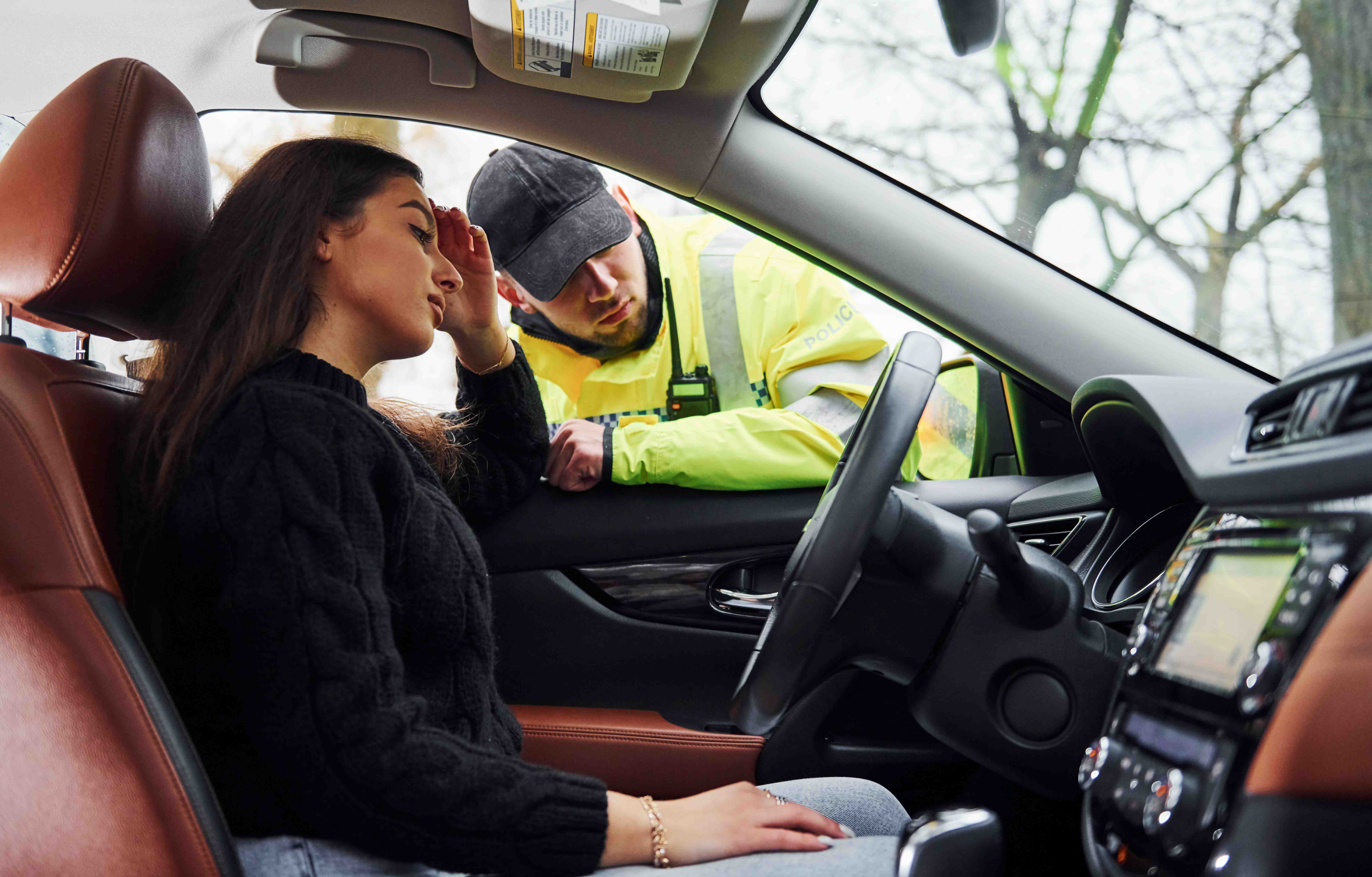
Traffic offences in NSW range from minor speeding to serious driving crimes that can result in fines, licence suspension, or imprisonment. We represent clients in all traffic matters and act quickly to protect your licence and reduce penalties.
A person can be charged with Novice Range PCA if they hold a learner or provisional licence and are caught driving with a blood alcohol concentration (BAC) between 0.00 and 0.020. Penalties vary but most commonly include a criminal conviction and a 6-month driving disqualification as an initial charge.
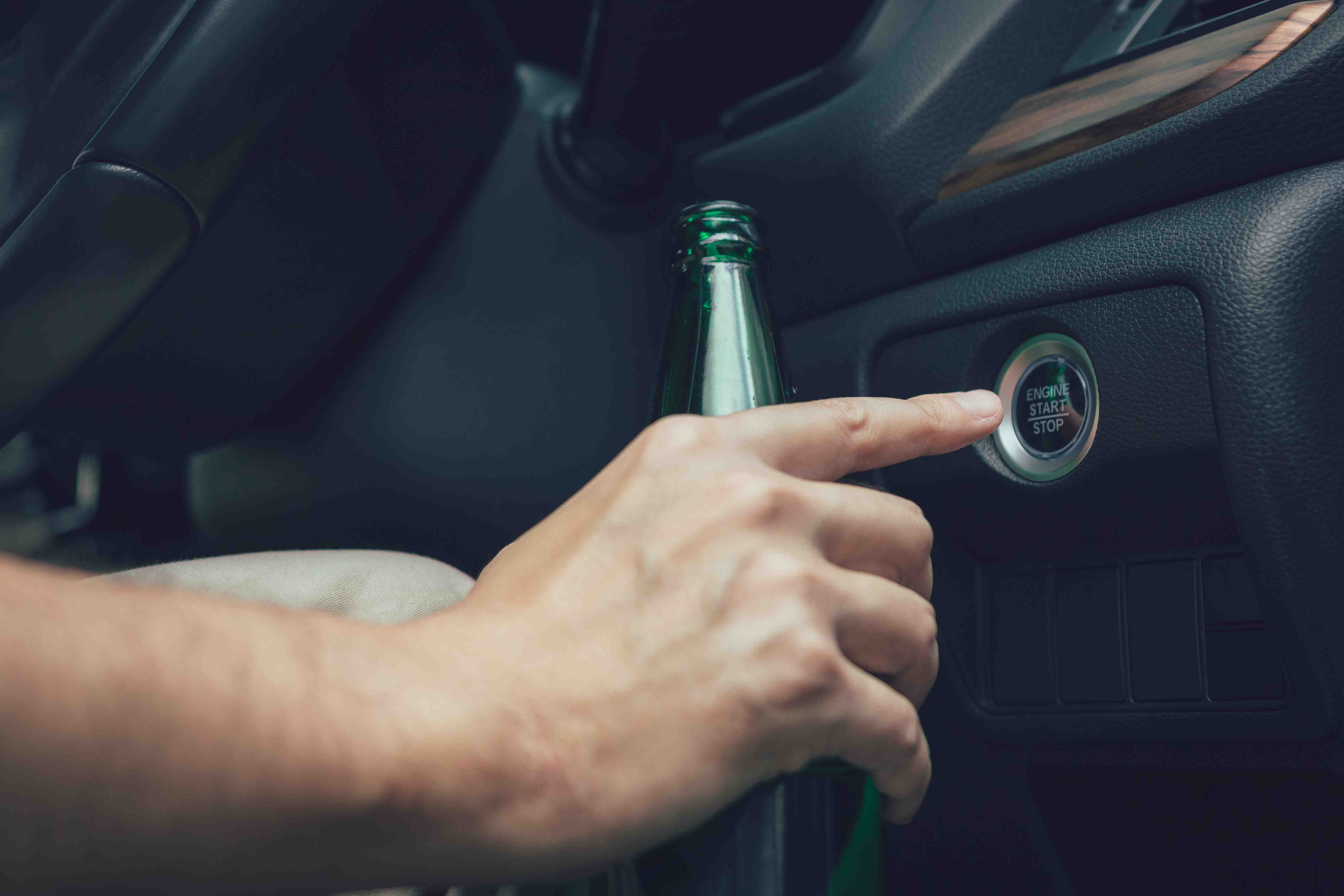
The courts deem drink-drinking a serious offence and aim to deliver a strong message to the community. In most circumstances a criminal conviction would be recorded as Novice Range PCA offences are taken very seriously.
In most cases, sentencing involves a:
Yes. It can be possible to avoid a criminal conviction if the court decides to impose a Conditional Release Order (CRO), formerly known as Section 10.
Yes. If there is a chance of receiving a criminal conviction or potential loss of licence, it is highly recommended to seek legal representation in court. An experienced lawyer understands the law and presents your case in the best possible way, which can potentially reduce your penalty, avoid a conviction and keep your driver’s licence.

Special Range PCA can be charged if you drive with a blood alcohol concentration (BAC) between 0.02 and 0.049. The penalty ranges depending on whether it is your first offence or a repeated offence. First time offenders receive an automatic 6 six-month disqualification whereas a repeat offender receives a 12-month disqualification.
In most cases, sentencing involves a:
Yes, if you drive with a blood alcohol concentration between 0.02 and 0.049. This charge is generally associated with learner and provisional licence holders as well as individuals driving whilst suspended or strict licence conditions. This may also include bus and taxi drivers if they exceed their limit of 0.02.
It is highly likely that a criminal conviction would be recorded. The courts deem drink-drinking a very serious offence and this offence particularly applies to drivers who must adhere to a zero-alcohol limit.
In most cases, sentencing involves a:
Yes. It can be possible to avoid a criminal conviction if the court decides to impose a Conditional Release Order (CRO), formerly known as Section 10.
Yes. If there is a chance of receiving a criminal conviction or loss of licence, it is highly recommended to seek legal representation in court. An experienced lawyer understands the law, and can potentially reduce your penalty, avoid a conviction and keep your driver’s licence.
The offence of a Low Range PCA is committed when an individual drives with a blood alcohol concentration between 0.05 and 0.079. Penalties vary but most commonly include a criminal conviction, a fine and a 6-month driving disqualification.

It is highly likely that a criminal conviction would be recorded. The courts deem drink-drinking a very serious offence.
In most cases, sentencing involves a:
Yes. It can be possible to avoid a criminal conviction if the court decides to impose a Conditional Release Order (CRO), formerly known as Section 10.
Yes. If there is a chance of receiving a criminal conviction or loss of licence, it is highly recommended to seek legal representation in court. An experienced lawyer understands the law, and can potentially reduce your penalty, avoid a conviction and keep your driver’s licence.
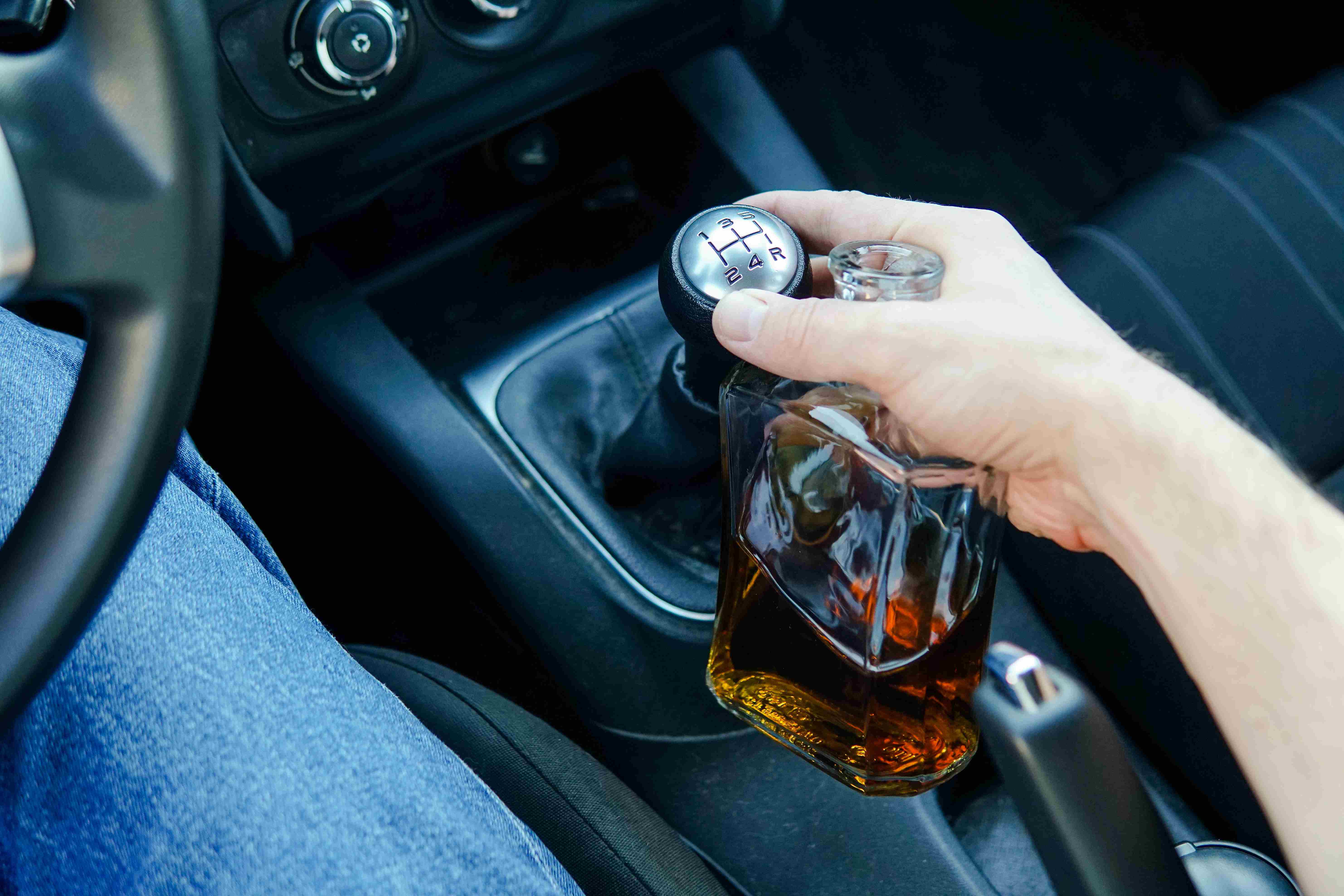
A Mid-Range PCA offence occurs when a driver has a blood alcohol concentration (BAC) between 0.08 and 0.149.
For first time offenders, conviction is highly likely with penalties that may include:
A mandatory disqualification of 12 months applies if an exemption from the interlock program is approved.
Repeat offenders face more severe penalties including:
A mandatory disqualification of 3 years applies if an exemption from the interlock program is approved.
Mid-Range drink driving is treated with more verity than low range offences due to having higher blood alcohol concentration. Generally, in most cases the court will record a criminal conviction.
For first time offenders, penalties include:
Repeat offenders face more severe penalties including:
In certain cases, it is possible to avoid having a criminal conviction recorded for Mid-Range PCA Charge. Depending on the circumstance, the court may exercise discretion and instead issue one of the following:
Note: It is important to understand that a person can only benefit from one no-conviction order for a drink driving offence in a five-year period, as per Section 203 of the Road Transport Act 2013.
Yes, there is a possibility to avoid licence disqualification. If the court chooses to opt for a Section 10(1)(a) non-conviction order or Section 9(1)(b) Conditional Release Order, no conviction will be recorded, and you may not lose your licence.
An Interlock Order is a court-imposed requirement where a driver must participate in the interlock program after serving a licence disqualification period.
This involves:
If alcohol is detected, the vehicle’s engine will shut off and will not restart. The device logs all events, which can be accessed by the police and may lead to further legal consequences.
Failure to comply with the interlock order or not obtaining an exemption can result in a 5-year licence disqualification.
Yes, there can be exemptions from the Interlock Order, however you must prove to the court that complying with the Interlock Order would cause significant hardship.
Yes. It is highly recommended that the court treats mid-to-high offences extremely seriously. An experienced lawyer can guide you through the legal process, assist you to understand your options and rights and help to develop strategies to reduce your sentences, improve your outcomes.

High Range PCA occurs when a person drives with a blood alcohol concentration (BAC) of 0.150 or higher.
For first time offenders, penalties are severe and include:
For repeat offenders, the penalties are even more severe and include:
Yes, you will likely receive a criminal record. High-range drink driving is considered a serious offence, and the severity of the penalties depends on the alcohol concentration in your blood or breath. Penalties could include a custodial sentence and the recording of a criminal conviction.
Yes. High-range drink driving is treated by the courts to be a serious offence. The penalties are very severe and can include a custodial sentence and a criminal conviction to be recorded. Factors such as alcohol level and circumstances of the case can determine the overall length of the sentence.
Yes, it is highly recommended to seek legal representation. High-range drink driving is a serious offence and penalties are severe where it could involve possible imprisonment. An experienced lawyer can guide you through the legal process, assist you to understand your options and rights and help to develop strategies to reduce your sentences, improve your outcome.

If you were driving a vehicle, tested positive on a breath test and then refused to provide a further breath sample without a reasonable excuse, then you can be charged with refusal to submit to a breath analysis.
Yes, it is highly likely that you will receive a criminal record. Refusal to submit to a breath analysis is treated as seriously as seriously as high range drinking. Penalties are severe and include:
Yes, refusing to undergo a breath analysis is a serious offense and can lead to imprisonment in certain cases. The court will weigh up factors such as whether there was an accident, your prior driving history, and the seriousness of the situation before determining the penalty.
Yes. It is highly recommended to seek legal representation as the penalties can be severe with the possibility of imprisonment. A skilled lawyer can guide you through the legal process, assist you to understand your options and rights and help to develop strategies to reduce your sentences, improve your outcomes
It is an offence for a person to drive a motor vehicle on a road or road-related area while their driver licence is disqualified by a court order. To establish this offence, the prosecution must prove each of the following elements beyond reasonable doubt:
The court can impose a vary of penalties such as a fine, disqualification or a good behaviour bond. The court may also consider imposing a Conditional Release Order without conviction depending on the offender’s circumstances, remorse, and driving history.
The court has the discretion to grant a Conditional Release Order (CRO) without conviction. A CRO (which replaced the former "Section 10") allows an individual to be discharged without a criminal record, subject to certain conditions. Successfully obtaining a CRO requires demonstrating to the magistrate that your specific circumstances including your character, prior record, and the nature of the offence may warrant this exceptional outcome. Legal representation is crucial for building a compelling case for a CRO.
An experienced lawyer can guide you through the process, present strong mitigating factors to the court, and work towards the best possible outcome, which may include seeking to avoid a conviction or minimise your disqualification period.

You deal with experienced lawyers from the start. No hand-offs to juniors or paralegals.
We explain your options in plain language so you know exactly where you stand.
We handle criminal, traffic, family, commercial, and conveyancing matters only. This focus delivers stronger outcomes.
We appear daily in Local, District, Supreme, and Family Courts. We know the system and how to prepare cases that succeed.

Sydney Criminal & Family Lawyers is a law firm dedicated to serving clients across NSW. We handle criminal, traffic, family, commercial, and conveyancing matters. Our work is focused on direct advice, strong representation, and clear outcomes.


Sydney Criminal & Family Lawyers is a focused practice serving clients across NSW. We handle criminal, traffic, family, commercial, and conveyancing matters.
FOLLOW US ON